 Official websites use .gov
A .gov website belongs to an official government organization in the United States.
 Secure .gov websites use HTTPS
A lock (Lock A locked padlock) or https:// means you’ve safely connected to the .gov website. Share sensitive information only on official, secure websites.
Basic Information about Source Water Protection
On this page: * What Is Source Water? * Why Protect Source Water? * What Are Some Examples of Source Water Protection? * What Is EPA's Role in Source Water Protection? * What Other Drinking Water Programs Provide Source Water Protection?
What Is Source Water?
Source water refers to sources of water (such as rivers, streams, lakes, reservoirs, springs, and groundwater) that provide water to public drinking water supplies and private wells.
Why Protect Source Water?
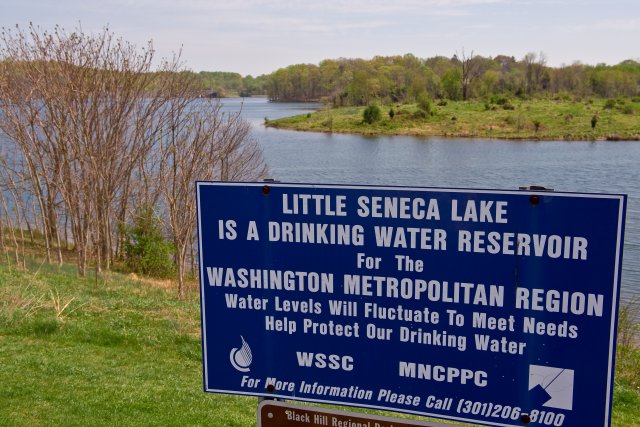 Protecting source water can reduce risks by preventing exposures to contaminated water. Drinking water utilities that meet the definition of a public water system are responsible for meeting the requirements of EPA and state drinking water programs under the Safe Drinking Water Act (SDWA). Protecting source water from contamination helps reduce treatment costs and may avoid or defer the need for complex treatment.
There are many additional benefits associated with source water protection, such as protecting water quality for wildlife and recreational use, and protecting the availability and quantity of water supplies.
Protecting source water can reduce risks by preventing exposures to contaminated water. Drinking water utilities that meet the definition of a public water system are responsible for meeting the requirements of EPA and state drinking water programs under the Safe Drinking Water Act (SDWA). Protecting source water from contamination helps reduce treatment costs and may avoid or defer the need for complex treatment.
There are many additional benefits associated with source water protection, such as protecting water quality for wildlife and recreational use, and protecting the availability and quantity of water supplies.
What Are Some Examples of Source Water Protection?
Source water protection includes a wide variety of actions and activities aimed at safeguarding, maintaining, or improving the quality and/or quantity of sources of drinking water and their contributing areas. These activities may depend on the type of source being protected (e.g., groundwater, reservoir, or river). Some examples of source water protection are: * Riparian zone restoration to reduce runoff pollution; * Stream bank stabilization to reduce sedimentation; * Land protection/easements; * Best management practices for agricultural and forestry activities or stormwater control; * Local ordinances to limit certain activities in source water or wellhead protection areas; * Developing emergency response plans; and * Educating local industry, businesses, and citizens on pollution prevention and source water protection.
Many communities have formed organizations or groups that plan and implement source water protection. Some examples are: * Connecticut Source Water CollaborativeExit EPA’s website * Clackamus River Water ProvidersExit EPA’s website * Schuylkill Action NetworkExit EPA’s website
Find a source water collaborative near youExit EPA’s website.
What Is EPA's Role in Source Water Protection?
EPA works with states, tribes, local utilities, and many other stakeholders to implement programs that maintain drinking water quality. The Safe Drinking Water Act (SDWA) is designed to protect drinking water quality through the “multi-barrier approach” that considers all threats (natural and human-made) and establishes barriers to either eliminate or minimize their impacts. The following steps are an important part of the multi-barrier approach: * Selecting the best available drinking water source; * Protecting the drinking water source from contamination; * Using effective water treatment; and * Preventing water quality deterioration in the water distribution system.
EPA recognizes that the multi-barrier approach and partnerships are essential to protect drinking water, public health, and economic productivity. SDWA also required states and utilities to assess their source water, and there are a number of Clean Water Act (CWA) provisions designed for protecting water from contamination. However, there is no federal mandate requiring comprehensive source water protection. The Source Water Protection (SWP) program strives to protect sources of drinking water by developing tools and supporting voluntary partnerships and approaches that can prevent contamination of sources of drinking water. The SWP program is primarily voluntary for state and local governments and other stakeholders; with help from a wide array of partners, EPA has made considerable strides. While a substantial progress has been made, much work remains to be done, and there are numerous opportunities to leverage EPA’s programs and partnerships with external organizations. States may choose to fund source water protection through optional set-asides from the Drinking Water State Revolving Fund capitalization grant distributed by EPA. The Clean Water State Revolving Fund can also be used to support certain source water protection activities. Find other funding opportunities for source water protection.
What Other Drinking Water Programs Provide Source Water Protection?
The Underground Injection Control program protects underground sources of drinking water from endangerment by setting minimum requirements for injection wells. The Sole Source Aquifer program enables EPA to designate an aquifer as a sole source of drinking water and establish a review area. EPA reviews proposed projects that are located within the review area and receive federal financial assistance.
Source Water Protection (SWP)
Open Sidenav Menu Close Sidenav Menu Contact Us About Source Water Protection Contact Us About Source Water Protection to ask a question, provide feedback, or report a problem. Last updated on January 13, 2026 Welcome! Please share your feedback on how we can make www.epa.gov work better for you. A red asterisk (*) indicates a required field.
Success
Thank you. Your feedback has been received.
Error
alert message Required Questions - page 1 of 2 question_55203_answer_01 How would you rate your experience on www.epa.gov today? *
0 Stars 1 Star 2 Stars 3 Stars 4 Stars 5 Stars Please explain the reason for your rating. * 400 characters allowed Would you like to take two more minutes to answer more questions to help us improve our services? Yes, keep going → No, only submit these responses Optional questions - page 2 of 2 How would you describe yourself? Business Government employee Scientist Student Other Enter other text Please tell us why you visited www.epa.gov today. 400 characters allowed Did you visit www.epa.gov to accomplish a specific task? If yes, please explain why you were able or unable to accomplish your task. 400 characters allowed How can we make www.epa.gov a more helpful website? 400 characters allowed Submit []: required